Equipment That Lowers Bills Without Comfort Trade-Offs
HVAC System Upgrades & Energy Efficiency in Crestview for homes and businesses with rising energy costs
Older HVAC systems operate at SEER ratings between 8 and 13, consuming nearly twice the energy of current high-efficiency models while delivering the same cooling output. High-efficiency system upgrades replace aging equipment with units rated SEER 16 or higher, using variable-speed compressors and blower motors that adjust output to match real-time demand rather than cycling on and off at full capacity. Accurate Air Solutions LLC conducts energy audits to measure current consumption, identifies where system inefficiencies waste electricity, and recommends upgrades that produce measurable cost savings for Crestview properties.
Energy assessments document runtime patterns, temperature differentials, and equipment performance under actual load conditions, revealing whether inefficiency stems from undersized ductwork, refrigerant loss, failing components, or simply outdated technology. System retrofits preserve existing ductwork and electrical infrastructure when possible, upgrading only the components that deliver meaningful efficiency gains rather than replacing functional elements unnecessarily.
Schedule an energy audit to identify specific inefficiencies driving your current operating costs and calculate potential savings from targeted upgrades.
What Changes After Efficiency Upgrades
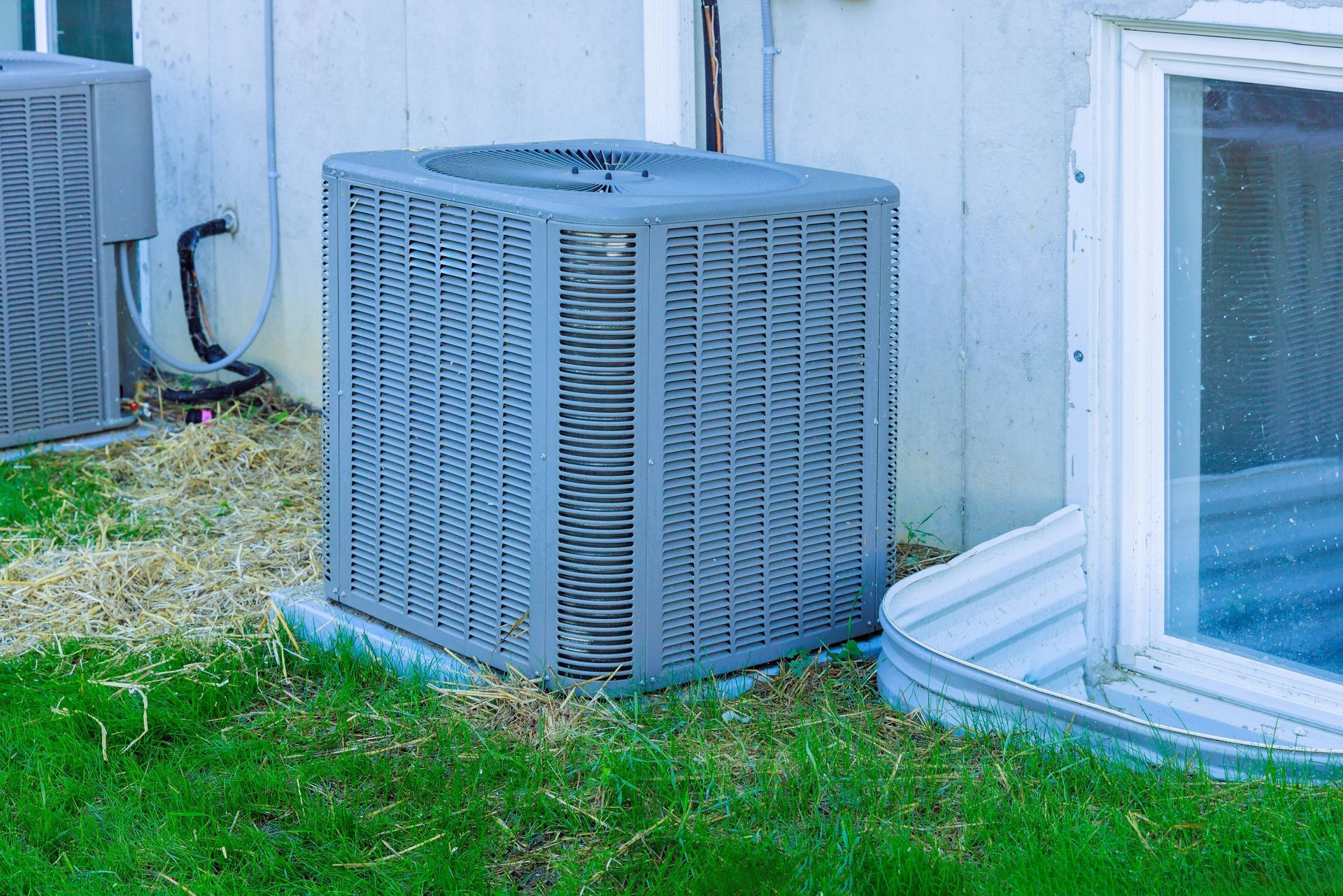
Variable-speed equipment runs longer at lower capacities instead of short-cycling at full power, removing more humidity while using less energy and eliminating the temperature swings caused by frequent on-off cycling. Two-stage compressors operate in low mode during mild weather and switch to high output only during peak demand, matching capacity to load in ways single-stage systems cannot. SEER rating improvements directly correlate with energy reduction—upgrading from SEER 10 to SEER 16 cuts cooling costs by approximately 37 percent for identical runtime and conditions.
After installation, utility bills drop noticeably during the first full billing cycle, indoor humidity stays lower as extended runtime improves moisture removal, and temperature consistency improves as variable-speed operation eliminates the hot-cold cycling older systems produce. Equipment noise decreases since variable-speed fans and compressors rarely operate at maximum capacity, running quietly in low mode most of the time.
Rebates and incentive guidance helps offset upgrade costs through utility company programs, federal tax credits, and manufacturer promotions that reduce net investment while accelerating payback periods. Cost-saving solutions for homes and businesses prioritize upgrades with the shortest return on investment, such as replacing systems nearing end-of-life rather than retrofitting equipment that still has years of service remaining.
What Property Owners Usually Ask
Energy efficiency projects raise questions about actual savings, equipment lifespan, and whether upgrades justify the initial expense in Crestview's climate and utility rate environment.
How much can SEER rating improvements actually reduce energy costs?
Every two-point SEER increase reduces cooling energy use by roughly 12 to 15 percent, with savings proportional to annual runtime hours and local electricity rates.
What happens during an energy audit for HVAC systems?
Audits measure supply and return air temperatures, airflow at registers, refrigerant pressures, amp draw on motors, and duct leakage to pinpoint inefficiencies that waste energy or reduce capacity.
When does retrofitting make more sense than full replacement?
Retrofits work when ductwork, electrical service, and structural components are adequate but the condensing unit or air handler has aged beyond efficient operation, allowing targeted upgrades without whole-system replacement costs.
What rebates are available for high-efficiency HVAC upgrades in Crestview?
Utility providers and federal programs offer rebates for ENERGY STAR certified equipment, with amounts varying based on SEER rating, system type, and whether installation includes smart controls or additional efficiency measures.
How long do high-efficiency systems typically last compared to standard equipment?
Expected lifespan depends more on installation quality and maintenance than efficiency rating, though variable-speed components reduce mechanical stress that shortens equipment life in single-speed systems.
Accurate Air Solutions LLC evaluates your current system performance and calculates projected savings from efficiency upgrades specific to your usage patterns and equipment condition. Request a detailed assessment to determine which improvements deliver the best return for your property.